How to Feed and Maintain a Sourdough Starter
- Emma Collins
- Baking
- September 27, 2026
- 1 min read
- Updated October 19, 2026
Time needed
10 min
What you need
- Active sourdough starter
- Flour (bread or all-purpose)
- Lukewarm water, about 25 °C
Tools
- Clean glass jar
- Kitchen scale
- Spoon or small spatula
- Rubber band
Table of contents
A sourdough starter is just flour and water filled with wild yeast and friendly bacteria. It sounds mysterious, but looking after one is like looking after a very low-maintenance pet. Feed it on a regular schedule and it will live for decades. People have bakery starters that are over 100 years old.
What a healthy starter looks like
A happy starter doubles in size within 4 to 8 hours of being fed, is full of bubbles, and smells pleasantly tangy, like yogurt or green apple. If it smells like nail-polish remover, it is hungry. If you see pink or orange streaks or fuzzy mold, throw it away and start again.
Daily or weekly?
- Baking every day or two: keep it on the counter and feed it once or twice a day.
- Baking once a week: keep it in the fridge and feed it weekly. Take it out the night before baking and give it a feed.
Troubleshooting
- No bubbles after a week: your kitchen may be too cold. Move it somewhere warm, around 24 °C (75 °F).
- A layer of dark liquid on top: that is called hooch. It means the starter is hungry. Stir it in or pour it off and feed.
- Very sour smell: feed more often, or use a larger feeding ratio.
What to do with the discard
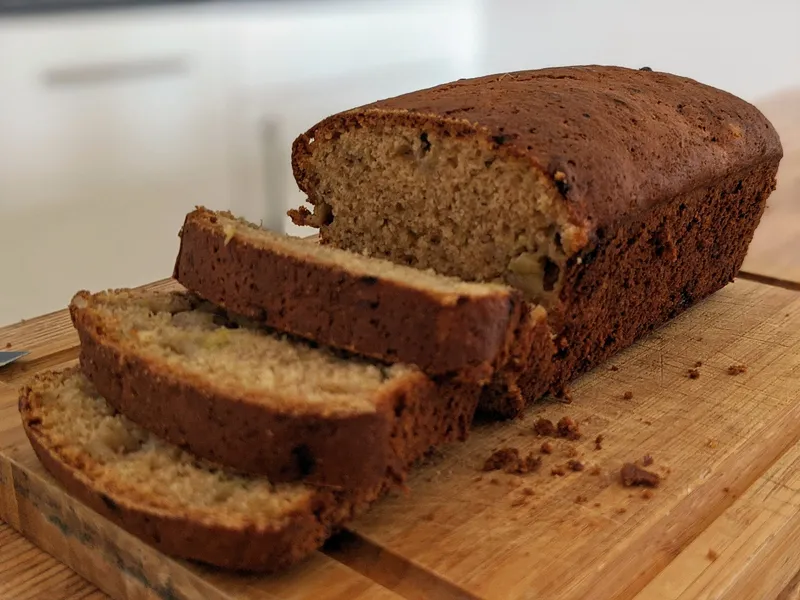
Do not throw the discard away. Add it to pancakes, waffles, crackers, flatbreads or banana bread for extra flavor.
- 1
Discard most of the starter
Keep about 50 g of starter in the jar and remove the rest. Use the discard in pancakes or crackers.
- 2
Add flour and water
Add 50 g flour and 50 g lukewarm water. Stir until there is no dry flour left.
- 3
Mark the level
Put a rubber band around the jar at the level of the starter so you can see how much it rises.
- 4
Let it rise
Leave it uncovered or loosely covered at room temperature. It should double in 4 to 8 hours and be full of bubbles. Then it is ready to bake with.

Frequently asked questions
Can I use tap water?
Usually yes. If your water is heavily chlorinated, let it sit in an open jar for a few hours first.
How long can a starter stay in the fridge?
Up to 2 weeks without feeding. After a long rest, feed it a couple of times at room temperature before baking.