Why Baking by Weight Beats Measuring Cups
- Emma Collins
- Tips
- September 21, 2026
- 1 min read
- Updated October 19, 2026
Ask a professional baker how to improve at home baking and the answer is almost always the same: buy a scale. It sounds fussy, but weighing ingredients is faster, cleaner and far more reliable than using cups. Here is why.
The problem with cups
Try this experiment. Scoop a cup of flour straight from the bag and weigh it. Then spoon the flour lightly into the cup, level it and weigh it again. The first one can be 30 percent heavier. In a cake, that is the difference between tender and dry. In bread, it is the difference between a soft dough and a stiff one.
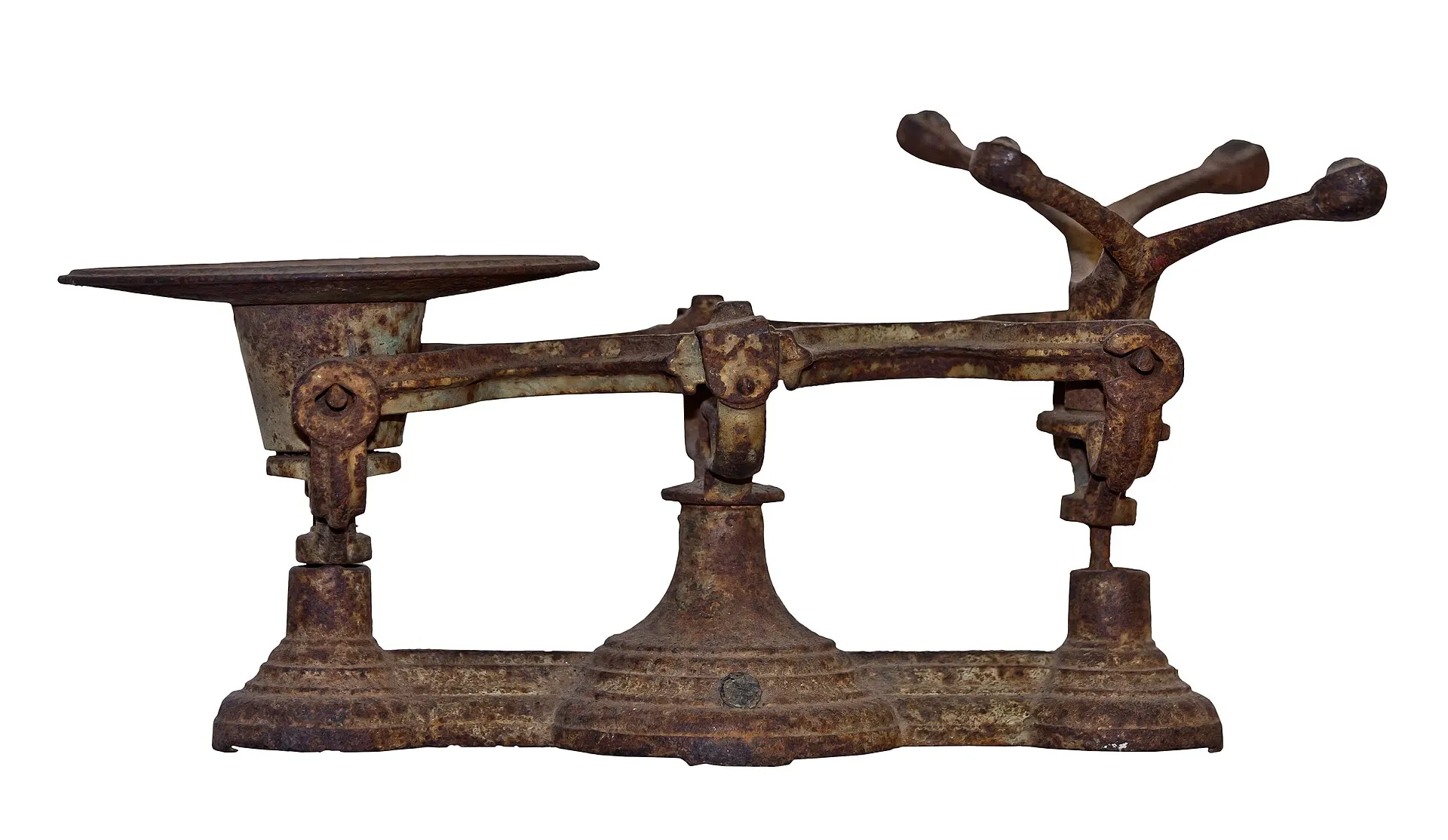
What you gain
- Consistency. Your cookies turn out the same every time you bake them.
- Fewer dishes. Place a bowl on the scale, press tare, add the flour, press tare, add the sugar. One bowl, no measuring cups.
- Easy scaling. Want half a batch? Divide the numbers. No awkward fractions.
- Access to better recipes. Most professional and international recipes use grams.
How to start
Pick a scale that measures in 1 g increments and has a tare button. If you are following a cup-based recipe, here are the common conversions:
- 1 cup all-purpose flour: 120 to 125 g
- 1 cup granulated sugar: 200 g
- 1 cup packed brown sugar: 200 g
- 1 cup butter: 227 g
- 1 cup water or milk: 240 g
Write the weights in the margin of your favorite recipes. After the first time, you will not want to go back.
When cups are still fine
For forgiving recipes such as soups, stews and sauces, measuring cups are fine. It is baking where the numbers matter most.